


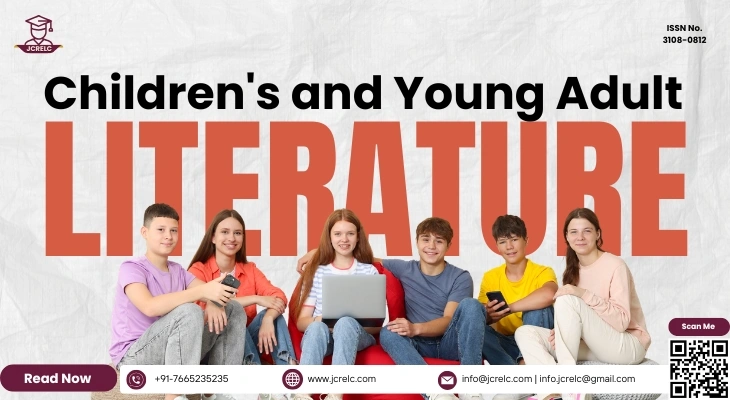
Children's and Young Adult (YA) literature has always played a powerful role in shaping imagination, identity, and emotional development. In 2026, this literary space is undergoing a major transformation driven by diversity, inclusivity, and global representation. Readers today expect stories that reflect real-world complexity—across culture, race, gender, disability, and lived experience.
Publishers, educators, and authors are increasingly prioritizing authentic voices and broader representation, making YA and children's literature more inclusive than ever before.
The Rise of Inclusive Storytelling
One of the most significant trends in 2026 is the rise of inclusive storytelling. Books are no longer centered on a narrow set of characters or cultural experiences. Instead, they reflect a wide spectrum of identities and backgrounds.
Inclusive narratives now feature:
- Multicultural protagonists
- LGBTQ+ representation
- Neurodivergent characters
- Disability-inclusive storylines
- Indigenous and regional voices
This shift helps young readers see themselves reflected in the stories they read.
Authentic Representation Matters More Than Ever
Diversity is no longer just about adding characters from different backgrounds—it is about authentic representation. Readers and critics now demand stories written by authors who share or deeply understand the experiences they portray.
This trend emphasizes:
- Cultural accuracy and sensitivity
- Avoidance of stereotypes
- Realistic character development
- Collaboration with communities being represented
Authenticity builds trust and emotional connection with readers.

Global Voices in YA Literature
In 2026, YA literature is becoming more global than ever. Stories are emerging from regions that were previously underrepresented in mainstream publishing.
Key developments include:
- Increased publication from African and Asian authors
- Growth of Latin American YA fiction
- Expansion of translated works
- Cross-cultural storytelling collaborations
This global exchange enriches storytelling and broadens reader perspectives.
Digital Age Influence on YA Stories
Technology continues to shape how stories are written, published, and consumed. Digital platforms have expanded access to diverse voices.
Key trends include:
- Web novels and serialized fiction platforms
- Audiobooks and interactive storytelling apps
- AI-assisted writing tools for authors
- Social media-driven book discovery
- Fan communities influencing publishing trends
These tools allow emerging writers to reach global audiences quickly.
Representation of Identity and Mental Health
Modern YA literature places strong emphasis on emotional realism and mental health awareness.
Common themes include:
- Anxiety and depression
- Identity exploration
- Trauma recovery
- Self-acceptance journeys
- Social pressure and belonging
These narratives help young readers understand their emotions and challenges in a safe and relatable way.
LGBTQ+ Representation in 2026
LGBTQ+ representation continues to grow in both children's and YA literature. Stories now explore a wide range of identities and experiences with greater nuance and sensitivity.
Key improvements include:
- Main characters with diverse sexual orientations and gender identities
- Non-tokenistic representation
- Everyday life storytelling beyond "coming out" narratives
- Intersectional identity representation
This shift normalizes diversity and fosters acceptance.
Disability and Neurodiversity in Storytelling
Another important trend is the inclusion of disabled and neurodivergent characters as central protagonists rather than side roles.
Representation now includes:
- Autism spectrum characters
- ADHD and learning differences
- Physical disabilities portrayed realistically
- Assistive technologies as part of daily life
These stories promote empathy and challenge outdated stereotypes.
Environmental and Social Themes
YA literature in 2026 also reflects global concerns such as climate change and social justice.
Popular themes include:
- Climate fiction (cli-fi)
- Environmental activism
- Community resilience
- Ethical technology use
- Social inequality and justice movements
These narratives encourage awareness and civic responsibility among young readers.
The Role of Independent Publishing
Independent and self-publishing platforms are playing a major role in increasing diversity.
They allow:
- Marginalized authors to publish without traditional barriers
- Experimental storytelling formats
- Direct engagement with readers
- Faster publication cycles
This democratization of publishing is reshaping the literary landscape.
Challenges in Achieving True Diversity
Despite progress, challenges still exist:
- Unequal access to publishing opportunities
- Tokenism in some mainstream publications
- Market pressures limiting experimental voices
- Cultural misrepresentation in poorly researched works
Continuous effort is needed to ensure meaningful inclusion rather than surface-level diversity.
The Future of Children's and YA Literature
The future of children's and YA literature is highly dynamic and inclusive. Emerging trends suggest:
- AI-assisted personalized storytelling
- Interactive and immersive reading experiences
- Greater representation of global cultures
- Hybrid formats combining text, audio, and visuals
- Stronger community-driven publishing ecosystems
These innovations will continue to expand how young readers engage with stories.
Continue Exploring Our Blog
We invite you to read more insightful articles from our blog to support your academic journey in English Literature, Cultural Studies, and Research Methodology:
-
Posthumanism in Literature: AI, Cyborgs, and the Future of Character
Explore how artificial intelligence, cyborgs, and posthuman narratives are reshaping literary characters and storytelling traditions. -
Diaspora and Migration Studies: Identity in Contemporary World Literature
Discover how migration narratives, cultural hybridity, and transnational identities shape modern literary expression. -
Graphic Novels as Literature: From Maus to Modern Classics
Understand how visual storytelling, sequential art, and graphic memoirs have gained literary recognition. -
Feminist Literary Criticism 2026: New Directions in Gender and Textual Analysis
Learn how intersectional, postcolonial, and digital feminist criticism is reshaping contemporary literary studies. -
Dalit Literature and Caste Narratives: Essential Reading List for 2026
Explore autobiographical testimonies, resistance writing, and identity politics in South Asian caste narratives.